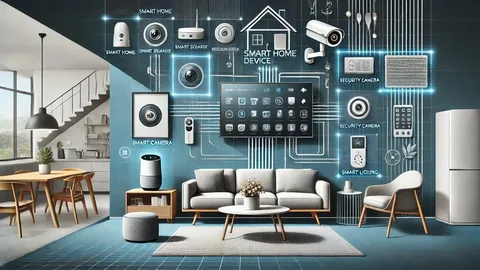

The world is entering a new era of digital transformation, and How Smart Home Technology Will Change Lives is one of the most exciting developments of the 21st century. From voice-controlled lighting to AI-powered security systems, smart home innovations are reshaping how people live, work, and interact with their surroundings.
This article explores how smart home technology is revolutionizing daily life, improving comfort, enhancing safety, and promoting sustainability. It also examines real-world examples, statistics, and future predictions that show how this technology will continue to evolve.
Understanding Smart Home Technology
Smart home technology refers to interconnected devices and systems that can be controlled remotely or automatically through the internet. These devices use sensors, artificial intelligence (AI), and the Internet of Things (IoT) to create a seamless living experience.
Key Components of Smart Homes
- Smart assistants like Amazon Alexa, Google Assistant, and Apple Siri
- Smart lighting systems that adjust brightness and color automatically
- Smart thermostats that learn user preferences and save energy
- Home security systems with cameras, motion sensors, and alarms
- Connected appliances such as refrigerators, washing machines, and ovens
These technologies work together to make homes more efficient, secure, and comfortable.
The Evolution of Smart Homes
The concept of smart homes began in the early 2000s with basic automation systems. Over time, advancements in AI, IoT, and cloud computing have made these systems more intelligent and accessible.
Timeline of Smart Home Development
- 2000–2010: Introduction of basic home automation systems
- 2011–2015: Rise of voice assistants and connected devices
- 2016–2020: Integration of AI and machine learning
- 2021–2026: Expansion of smart ecosystems and energy-efficient solutions
Today, How Smart Home Technology Will Change Lives is evident in the way people manage their homes with just a smartphone or voice command.
Convenience and Comfort: The Core of Smart Living
One of the biggest advantages of smart home technology is convenience. With automation, daily tasks become effortless. Lights turn on when someone enters a room, thermostats adjust automatically, and coffee machines start brewing before anyone wakes up.
Everyday Examples
- Smart speakers play music, set reminders, and control other devices.
- Robotic vacuum cleaners clean floors without supervision.
- Smart mirrors display weather updates and health data.
These innovations save time and make life more comfortable, showing exactly How Smart Home Technology Will Change Lives in practical ways.
Energy Efficiency and Sustainability
Smart home technology plays a crucial role in promoting sustainability. Devices like smart thermostats and lighting systems help reduce energy consumption, lowering both utility bills and carbon footprints.
Statistics
- According to the U.S. Department of Energy, smart thermostats can save up to 10–15% on heating and cooling costs.
- Smart lighting systems can reduce electricity usage by up to 40%.
Eco-Friendly Innovations
- Solar-powered smart homes
- Water-saving irrigation systems
- Energy-monitoring dashboards
These advancements demonstrate How Smart Home Technology Will Change Lives by making homes greener and more sustainable.
Enhanced Security and Safety
Security is one of the top reasons homeowners invest in smart technology. Modern systems use AI and real-time monitoring to protect homes from intruders, fires, and other hazards.
Smart Security Features
- Motion-activated cameras with facial recognition
- Smart locks that can be controlled remotely
- Smoke and carbon monoxide detectors with instant alerts
Real-Life Example
A family in California prevented a burglary when their smart camera detected unusual movement and sent an alert to their phone. They contacted authorities immediately, preventing any loss.
This level of protection highlights How Smart Home Technology Will Change Lives by providing peace of mind and safety.
Health and Wellness Integration
Smart home technology is also transforming health and wellness. From air quality monitors to sleep trackers, these devices help people maintain healthier lifestyles.
Health-Focused Devices
- Smart air purifiers that detect and remove pollutants
- Sleep monitoring systems that adjust room temperature and lighting
- Smart kitchens that suggest healthy recipes based on dietary needs
Case Study
A study by Statista found that over 35% of smart home users in 2025 will use health-related devices. This trend shows How Smart Home Technology Will Change Lives by promoting well-being and preventive healthcare.
Accessibility and Support for the Elderly
Smart homes are improving accessibility for seniors and people with disabilities. Voice commands, automated lighting, and fall detection systems make independent living easier and safer.
Assistive Technologies
- Voice-controlled appliances for mobility-impaired individuals
- Smart medication dispensers with reminders
- Emergency alert systems connected to caregivers
These innovations ensure that everyone can benefit from smart living, further proving How Smart Home Technology Will Change Lives across all age groups.
The Role of Artificial Intelligence and IoT
Artificial intelligence and the Internet of Things are the backbone of smart home technology. AI enables devices to learn user habits, while IoT connects them for seamless communication.
How AI and IoT Work Together
- AI analyzes data from sensors to predict user needs.
- IoT connects devices through a central hub or cloud network.
- Together, they create a responsive and adaptive home environment.
This synergy is a key factor in How Smart Home Technology Will Change Lives by making homes more intelligent and personalized.
Smart Homes and Data Privacy
While smart homes offer convenience, they also raise concerns about data privacy. Devices collect large amounts of personal information, which must be protected from misuse.
Privacy Protection Measures
- End-to-end encryption for data transmission
- Regular software updates to fix vulnerabilities
- User control over data sharing preferences
Manufacturers are increasingly focusing on cybersecurity to ensure that How Smart Home Technology Will Change Lives remains positive and secure.
Economic Impact of Smart Home Technology
The global smart home market is growing rapidly. According to Statista, it is expected to reach $231 billion by 2028, driven by demand for automation and energy efficiency.
Economic Benefits
- Job creation in tech and installation services
- Increased property values for smart-enabled homes
- Cost savings through energy management
This economic growth further emphasizes How Smart Home Technology Will Change Lives by boosting innovation and employment.
Smart Cities and the Future of Urban Living
Smart home technology is not limited to individual houses—it’s shaping entire cities. Smart grids, connected transportation, and intelligent waste management systems are transforming urban life.
Smart City Features
- Automated street lighting
- Smart traffic management
- Waste collection sensors
These developments show How Smart Home Technology Will Change Lives on a larger scale, improving efficiency and sustainability in cities worldwide.
Real-Life Case Studies
Case Study 1: The Smart Home Revolution in Japan
Japan has been a leader in adopting smart home technology. Over 60% of new homes built in 2025 are expected to include smart systems for energy management and security.
Case Study 2: Smart Homes in the United States
In the U.S., smart home adoption has grown by 25% annually, with millions of households using devices like smart thermostats and voice assistants.
These examples illustrate How Smart Home Technology Will Change Lives globally by improving quality of life and promoting innovation.
Challenges and Limitations
Despite its benefits, smart home technology faces challenges such as high costs, compatibility issues, and privacy concerns.
Common Challenges
- Expensive installation and maintenance
- Lack of standardization among devices
- Dependence on stable internet connections
Addressing these issues will be crucial for ensuring that How Smart Home Technology Will Change Lives continues to be a positive transformation.
The Future of Smart Home Technology
The future of smart homes looks promising, with advancements in AI, robotics, and renewable energy integration. By 2030, homes will be fully autonomous, capable of managing energy, security, and comfort without human intervention.
Future Predictions
- AI-driven predictive maintenance for appliances
- Integration with electric vehicles and renewable energy grids
- Fully voice- and gesture-controlled environments
- Smart neighborhoods with interconnected homes
These innovations will redefine How Smart Home Technology Will Change Lives in the coming decades.
Conclusion: Embracing the Smart Home Revolution
How Smart Home Technology Will Change Lives is not just a prediction—it’s already happening. From improving comfort and safety to promoting sustainability and health, smart homes are transforming the way people live. As technology continues to evolve, the possibilities are endless. Embracing smart home innovations today means stepping into a future where homes are not just places to live but intelligent partners that enhance every aspect of life.