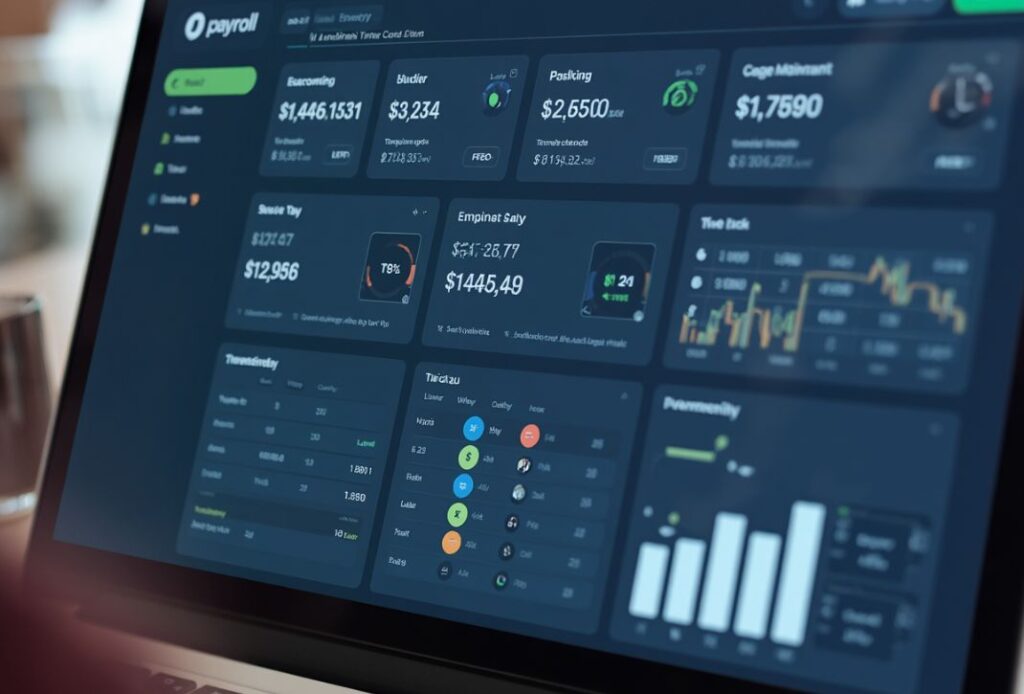

Managing payroll is one of the most critical yet time-consuming tasks for small business owners. As companies grow, handling employee payments, taxes, and compliance manually becomes increasingly complex.
A Payroll System for Small Business offers a streamlined solution that automates these processes, saving time, reducing errors, and ensuring compliance with ever-changing regulations. This article explores everything small business owners need to know about payroll systems in 2026 from their benefits and features to implementation strategies and the best tools available.
What Is a Payroll System for Small Business?
A Payroll System for Small Business is a software solution designed to manage employee compensation, including wages, bonuses, deductions, and taxes. It automates payroll calculations, generates payslips, and ensures compliance with labor laws and tax regulations. These systems can be cloud-based or on-premise, depending on the business’s needs.
Key Functions of a Payroll System
- Calculating gross and net pay
- Managing employee benefits and deductions
- Generating tax forms and reports
- Direct deposit processing
- Maintaining payroll records
- Ensuring compliance with local and federal laws
Why Small Businesses Need a Payroll System
Small businesses often operate with limited staff and resources. Manual payroll processing can lead to costly mistakes, compliance issues, and wasted time. A Payroll System for Small Business eliminates these challenges by automating repetitive tasks and providing accurate, real-time data.
Benefits Include:
- Time Savings: Automation reduces manual data entry and repetitive calculations.
- Accuracy: Minimizes human errors in tax and salary computations.
- Compliance: Keeps up with changing tax laws and labor regulations.
- Employee Satisfaction: Ensures timely and accurate payments.
- Data Security: Protects sensitive employee information through encryption and secure access.
The Evolution of Payroll Systems in 2026
The year 2026 marks a new era for payroll technology. Artificial intelligence, cloud computing, and data analytics have transformed how small businesses manage payroll. Modern systems now integrate with HR, accounting, and time-tracking tools, creating a unified platform for workforce management.
Emerging Trends
- AI-Powered Payroll: Predictive analytics for forecasting labor costs.
- Cloud-Based Solutions: Access payroll data anytime, anywhere.
- Mobile Accessibility: Employees can view payslips and update details via mobile apps.
- Integration with Accounting Software: Seamless data flow between payroll and financial systems.
- Automated Tax Filing: Real-time updates on tax rates and automatic submissions.
How a Payroll System Works
A Payroll System for Small Business follows a structured process to ensure accurate and timely payments.
Step-by-Step Process
- Employee Data Collection: Gathers personal, tax, and bank details.
- Time and Attendance Tracking: Integrates with time-tracking tools to record hours worked.
- Payroll Calculation: Computes gross pay, deductions, and net pay.
- Tax Withholding: Calculates and withholds federal, state, and local taxes.
- Payment Processing: Transfers salaries via direct deposit or checks.
- Reporting and Compliance: Generates reports for audits and tax filings.
Key Features to Look for in a Payroll System
When choosing a Payroll System for Small Business, it’s essential to evaluate features that align with business needs.
Must-Have Features
- Automated Payroll Processing
- Tax Management and Filing
- Employee Self-Service Portal
- Integration with Accounting Software
- Customizable Reports
- Multi-State and Multi-Currency Support
- Scalability for Growth
Top Payroll Systems for Small Businesses in 2026
Several payroll software solutions dominate the market in 2026, offering advanced features tailored for small enterprises.
1. Gusto
- Cloud-based and user-friendly
- Integrates with QuickBooks and Xero
- Offers benefits management and compliance tools
2. QuickBooks Payroll
- Ideal for businesses already using QuickBooks accounting
- Real-time tax calculations and automatic filings
- 24/7 expert support
3. ADP Run
- Scalable for growing businesses
- Advanced reporting and analytics
- Mobile app for employees and administrators
4. Paychex Flex
- Comprehensive HR and payroll integration
- Customizable dashboards
- Excellent customer support
5. OnPay
- Affordable pricing for small teams
- Simple setup and intuitive interface
- Handles multi-state payroll
Cost of Implementing a Payroll System
The cost of a Payroll System for Small Business varies depending on the provider, number of employees, and features required.
Typical Pricing Models
- Subscription-Based: Monthly or annual fees per employee
- Tiered Plans: Different pricing levels based on features
- Custom Pricing: Tailored for specific business needs
Average Costs
- Small businesses typically spend between $30 to $100 per month for basic payroll services.
- Additional features like benefits management or HR integration may increase costs.
Common Payroll Challenges for Small Businesses
Even with automation, small businesses face unique payroll challenges that require careful management.
Common Issues
- Misclassification of employees and contractors
- Late or incorrect tax filings
- Inaccurate time tracking
- Compliance with multi-state regulations
- Managing benefits and deductions
Solutions
- Regular audits of payroll data
- Integration with time-tracking tools
- Using cloud-based systems for real-time updates
- Partnering with payroll experts for compliance support
Case Study: How a Small Business Improved Efficiency with Payroll Automation
Case Example: A local bakery with 25 employees struggled with manual payroll processing, leading to frequent errors and delayed payments. After implementing a Payroll System for Small Business, the bakery reduced payroll processing time by 70%, eliminated tax filing errors, and improved employee satisfaction.
Results:
- Payroll accuracy increased from 85% to 99.9%
- Processing time reduced from 10 hours to 3 hours per month
- Employee turnover decreased by 15% due to timely payments
Integrating Payroll with Other Business Systems
Integration is key to maximizing the value of a payroll system. Modern payroll software connects seamlessly with accounting, HR, and time-tracking tools.
Benefits of Integration
- Eliminates duplicate data entry
- Provides unified financial reporting
- Enhances decision-making with real-time insights
- Simplifies compliance and auditing
Common Integrations
- Accounting Software: QuickBooks, Xero, FreshBooks
- HR Platforms: BambooHR, Zoho People
- Time Tracking Tools: TSheets, Clockify
Ensuring Payroll Compliance in 2026
Compliance remains a top priority for small businesses. Payroll systems help ensure adherence to tax laws, wage regulations, and reporting requirements.
Key Compliance Areas
- Federal and state tax laws
- Minimum wage and overtime rules
- Employee classification
- Data privacy and security regulations
Best Practices
- Regularly update payroll software
- Conduct quarterly compliance audits
- Train staff on payroll policies
- Use automated tax filing features
The Future of Payroll Systems for Small Business
The future of payroll technology is driven by automation, artificial intelligence, and data analytics. By 2026, small businesses can expect even more advanced features that simplify payroll management.
Future Innovations
- AI-Driven Forecasting: Predict labor costs and optimize budgets.
- Blockchain Security: Enhance transparency and data protection.
- Global Payroll Solutions: Manage international teams with ease.
- Voice-Activated Payroll Commands: Simplify administrative tasks.
How to Choose the Right Payroll System for a Small Business
Selecting the right payroll system requires careful evaluation of business needs, budget, and scalability.
Steps to Choose the Best System
- Assess Business Requirements: Determine the number of employees and payroll complexity.
- Compare Features: Look for automation, compliance, and integration capabilities.
- Check Reviews and Ratings: Evaluate user feedback and customer support.
- Request a Demo: Test the system before committing.
- Consider Scalability: Choose software that grows with the business.
Conclusion
A Payroll System for Small Business is no longer a luxury it’s a necessity in 2026. With automation, compliance management, and integration capabilities, payroll systems empower small businesses to operate efficiently and focus on growth.
By choosing the right solution, small business owners can save time, reduce errors, and ensure their employees are paid accurately and on time. Investing in a reliable payroll system is an investment in the business’s long-term success.