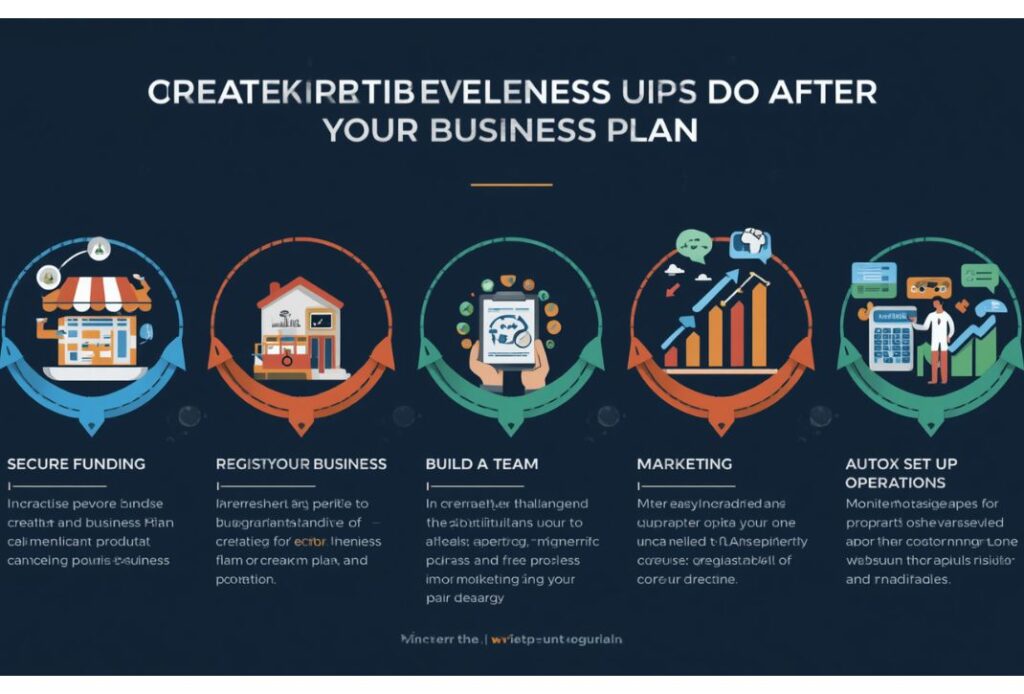

Creating a business plan is one of the most critical steps in launching a successful venture. It outlines the vision, mission, goals, and strategies that guide an entrepreneur toward success. However, many new business owners wonder what comes next.
What must an entrepreneur do after creating a business plan? The answer involves turning that plan into action, securing resources, building a team, and continuously adapting to market realities.
This comprehensive guide explores every essential step entrepreneurs should take after completing their business plan. From registering the business and securing funding to marketing, operations, and scaling, this article provides a roadmap for transforming a written plan into a thriving enterprise.
Understanding the Importance of Post-Planning Actions
A business plan is only as valuable as the actions that follow it. Once the plan is complete, entrepreneurs must shift from planning to execution. This stage determines whether the business idea will succeed or remain just an idea on paper.
Why Execution Matters
- Bridges vision and reality: Execution turns strategies into measurable results.
- Attracts investors: Investors want to see progress, not just plans.
- Builds momentum: Taking action creates confidence and credibility.
According to a study by Harvard Business Review, over 60% of startups fail not because of poor ideas but due to weak execution. Therefore, understanding what must an entrepreneur do after creating a business plan is crucial for long-term success.
Step 1: Register the Business and Choose a Legal Structure
Before operations begin, the business must be legally recognized. Entrepreneurs should decide on the most suitable legal structure based on their goals, liability preferences, and tax implications.
Common Business Structures
- Sole Proprietorship: Simple setup, but the owner bears full liability.
- Partnership: Shared ownership and responsibilities.
- Limited Liability Company (LLC): Protects personal assets while offering flexibility.
- Corporation: Ideal for larger ventures seeking investors.
Registering the business name, obtaining necessary licenses, and complying with local regulations are essential first steps after completing the business plan.
Step 2: Secure Funding and Financial Resources
Even the best business plan cannot succeed without adequate funding. Entrepreneurs must identify how much capital is needed and where it will come from.
Funding Options
- Personal savings: Common for small startups.
- Bank loans: Traditional but require strong credit and collateral.
- Angel investors: Provide capital in exchange for equity.
- Venture capital: Suitable for high-growth startups.
- Crowdfunding: Engages the public to fund innovative ideas.
A 2023 report by Statista revealed that 38% of startups fail due to insufficient funding. Therefore, securing financial backing is one of the most critical steps in the post-planning phase.
Step 3: Build a Strong Team
No entrepreneur can succeed alone. After creating a business plan, the next step is to assemble a team that can execute the vision effectively.
Key Roles to Fill
- Operations Manager: Oversees daily activities.
- Marketing Specialist: Builds brand awareness.
- Financial Analyst: Manages budgets and forecasts.
- Sales Executive: Drives revenue growth.
Hiring the right people ensures that each part of the business plan is implemented efficiently. A motivated team transforms ideas into results.
Step 4: Develop a Minimum Viable Product (MVP)
Before launching fully, entrepreneurs should test their concept with a Minimum Viable Product (MVP). This approach allows for feedback and improvement before large-scale investment.
Benefits of an MVP
- Reduces risk by validating demand early.
- Saves money by avoiding unnecessary features.
- Provides real customer insights.
For example, Dropbox started as a simple demo video explaining its concept before developing the full product. This strategy helped attract early adopters and investors.
Step 5: Establish Business Operations
Once the foundation is set, entrepreneurs must focus on operational efficiency. This includes setting up systems, processes, and tools that support daily activities.
Key Operational Areas
- Supply chain management
- Inventory control
- Customer service systems
- Accounting and payroll software
Efficient operations ensure that the business runs smoothly and can scale effectively as demand grows.
Step 6: Create a Marketing and Branding Strategy
Marketing is the engine that drives customer acquisition. After completing the business plan, entrepreneurs must develop a marketing strategy that aligns with their target audience.
Essential Marketing Steps
- Define the target market.
- Develop a unique value proposition.
- Build a strong brand identity.
- Leverage digital marketing channels.
According to HubSpot, businesses that prioritize content marketing generate 67% more leads than those that don’t. A well-executed marketing plan ensures visibility and growth.
Step 7: Launch the Business
The launch phase is where planning meets reality. Entrepreneurs should plan a strategic launch that creates buzz and attracts early customers.
Launch Checklist
- Finalize product or service.
- Test all systems and processes.
- Announce the launch through press releases and social media.
- Offer promotions or discounts to attract first customers.
A successful launch sets the tone for future growth and brand reputation.
Step 8: Monitor Performance and Adjust Strategies
After launching, continuous monitoring is essential. Entrepreneurs must track performance metrics to ensure the business stays on course.
Key Performance Indicators (KPIs)
- Sales revenue
- Customer acquisition cost
- Profit margins
- Customer satisfaction scores
Regularly reviewing these metrics helps identify areas for improvement. This step is vital in understanding what must an entrepreneur do after creating a business plan to maintain long-term success.
Step 9: Build Customer Relationships
Customer loyalty is the foundation of sustainable growth. Entrepreneurs should focus on building strong relationships through excellent service and engagement.
Strategies for Customer Retention
- Offer loyalty programs.
- Collect and act on feedback.
- Provide personalized experiences.
- Maintain consistent communication.
A study by Bain & Company found that increasing customer retention by just 5% can boost profits by up to 95%. Building trust and satisfaction ensures repeat business.
Step 10: Manage Finances and Cash Flow
Financial management is a continuous process. Entrepreneurs must monitor cash flow, manage expenses, and plan for future growth.
Financial Best Practices
- Maintain accurate financial records.
- Separate personal and business finances.
- Review budgets monthly.
- Prepare for tax obligations.
Strong financial discipline ensures stability and prepares the business for expansion or unforeseen challenges.
Step 11: Seek Mentorship and Networking Opportunities
Networking and mentorship provide valuable insights and connections. Successful entrepreneurs often credit mentors for guiding them through challenges.
Benefits of Networking
- Access to industry knowledge.
- Opportunities for partnerships.
- Exposure to potential investors.
Joining business associations, attending conferences, and connecting with other entrepreneurs can accelerate growth and innovation.
Step 12: Plan for Growth and Scaling
Once the business is stable, the next step is scaling. Entrepreneurs should revisit their business plan and update it to reflect new goals and opportunities.
Scaling Strategies
- Expand product lines or services.
- Enter new markets.
- Automate processes.
- Strengthen brand presence.
Scaling requires careful planning to maintain quality and profitability while increasing capacity.
Real-Life Example: How Airbnb Scaled After Its Business Plan
Airbnb began as a small idea to rent out air mattresses in a San Francisco apartment. After creating their business plan, the founders focused on building a user-friendly platform, securing funding, and improving customer trust. By continuously refining their model and listening to user feedback, Airbnb grew into a global hospitality leader valued at over $100 billion.
This example illustrates how understanding what must an entrepreneur do after creating a business plan can lead to extraordinary success.
Common Mistakes Entrepreneurs Make After Creating a Business Plan
- Failing to act quickly: Delays can lead to missed opportunities.
- Ignoring market feedback: Customer insights are vital for improvement.
- Neglecting financial management: Poor budgeting can derail growth.
- Overlooking marketing: Without visibility, even great products fail.
- Not updating the business plan: A static plan becomes outdated fast.
Avoiding these mistakes ensures smoother execution and sustainable growth.
Conclusion
A business plan is the blueprint, but execution builds the structure. Understanding what must an entrepreneur do after creating a business plan is essential for turning ideas into profitable ventures. From registering the business and securing funding to building a team, launching, and scaling, each step plays a vital role in success.
Entrepreneurs who act decisively, monitor progress, and adapt to change are the ones who thrive. The journey doesn’t end with a business plan it begins there. Take action, stay focused, and transform the vision into reality.